Treatment for the prevention of Deep Vein Thrombosis (DVT)

“It is always necessary to keep your body healthy, like your blood being neither too thick nor too thin. We need to include both vitamin E and vitamin K in our diet because the latter dilutes our blood, while the latter dilutes it.”

To keep your body in perfect harmony, use the following tips:

1.      Cayenne

Cayenne pepper is an excellent pain reliever and blood thinner, ideal for staining off DVT. It contains capsaicin as an active agent and reduces the amount of blood cholesterol and fibrin required for the formation of clots. It also works wonders for your heart, strengthening its quality and giving it the energy it needs.

2.      Garlic

Garlic, as an anti-thrombotic, actually prevents the formation of clots and even keeps down blood pressure. Until breakfast, eat two or three raw garlic cloves and use cooked garlic in meals as often as possible during the week.

Learn more: See Xarelto pricing in Canada

3.      Ginger

We know that lemon water can be a crucial drink, while ginger is a natural blood thinner that also blocks vitamin K involved in the formation of clots. Brew a few cups of ginger tea as the day goes by to make sure you get as many advantages as you can from this most wonderful source.

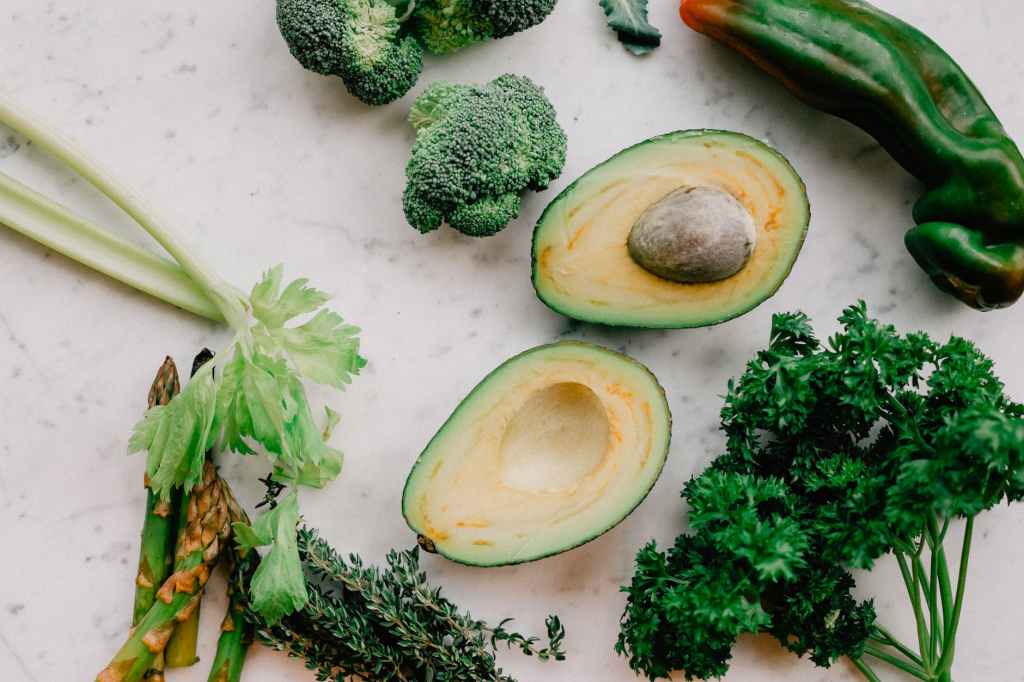
4.      Broccoli

Since it is rich in fiber content, broccoli is highly recommended for those with cardiovascular problems and many other health benefits. Especially as raw broccoli offers more nutrition.

5.      Celery

You burn calories when you consume celery. A healthy plant can also help keep blood vessel thinning levels of the stress hormone, cortisol, in check. There has even been a loss of cortisol correlated with impaired memory, increased weight gain, cholesterol, heart disease, and much more alarming health issues, so celery is a great natural resource.

6.      Vitamin C rich foods

Vitamin C helps to maintain a healthy vascular state, which ensures that the amazing blood vessel network of your body functions well. Eat plenty of fresh fruits and vegetables to ensure that your diet contains enough vitamins C. Some vitamin C-rich fruits and vegetables are bananas, pineapples, kiwis, grapes, cantaloupe, papaya, bell peppers, Brussels sprouts, and cauliflower.

7.      Spinach

Spinach can certainly help keep your blood pressure down because of its high fiber content. It also contains magnesium, potassium, and folate nutrients. Maintaining healthy blood flow will go a long way to regulating your blood pressure.

8.      Rosemary

There is a flavonoid, diosmin in rosemary that improves blood flow by minimizing capillary fragility. Because it is high in vitamin B6, it will help carry oxygen across the body in your red blood cells, hemoglobin. As an added bonus, rosemary can even be used to avoid hair loss; so making garden space for growing this invaluable herb would definitely be worth it.

9.      Omega 3 fatty acids

Mainly found in fish, healthy fats from Omega 3 can prevent your blood from coagulating, which also keeps cholesterol down. Eat fish like anchovies, salmon, cod, mackerel, lake trout, and herring in your diet two or three times a week. You’ll also get a lot of other health benefits.

Learn more: Omega 3 medications for DVT

10.   Vitamin E rich foods

Vitamin E includes special properties of antiplatelets and anticoagulants that stop clots. Keep in mind foods that are rich in vitamin E such as avocados, olive oil, whole grains, sunflower seeds, walnuts, almonds, coconuts, and hazelnuts when buying groceries.

11.   Turmeric

The active agent of Turmeric is curcumin, which also serves as a normal thinner of blood and an enhancer of circulation. Add a teaspoon of turmeric powder to a cup of hot milk with a drop of honey for sweetness and savor the taste of the Orient with this old Indian spice.

12.   Regular exercise

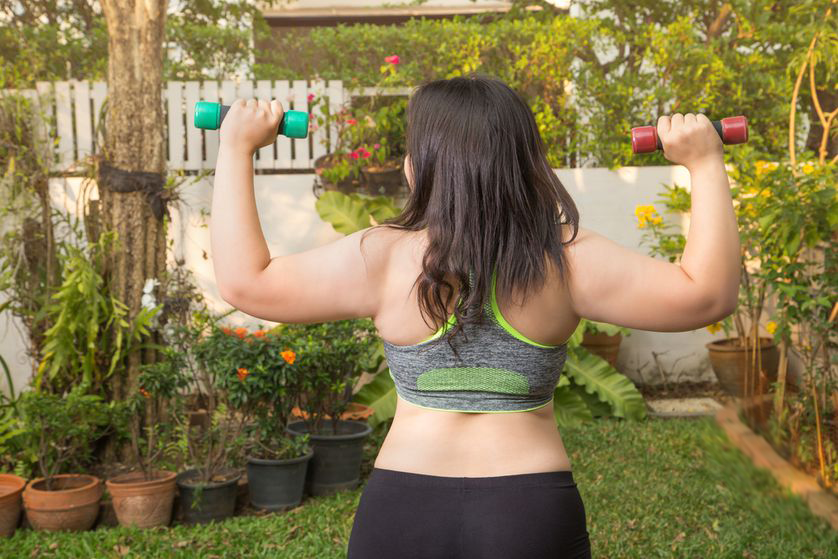
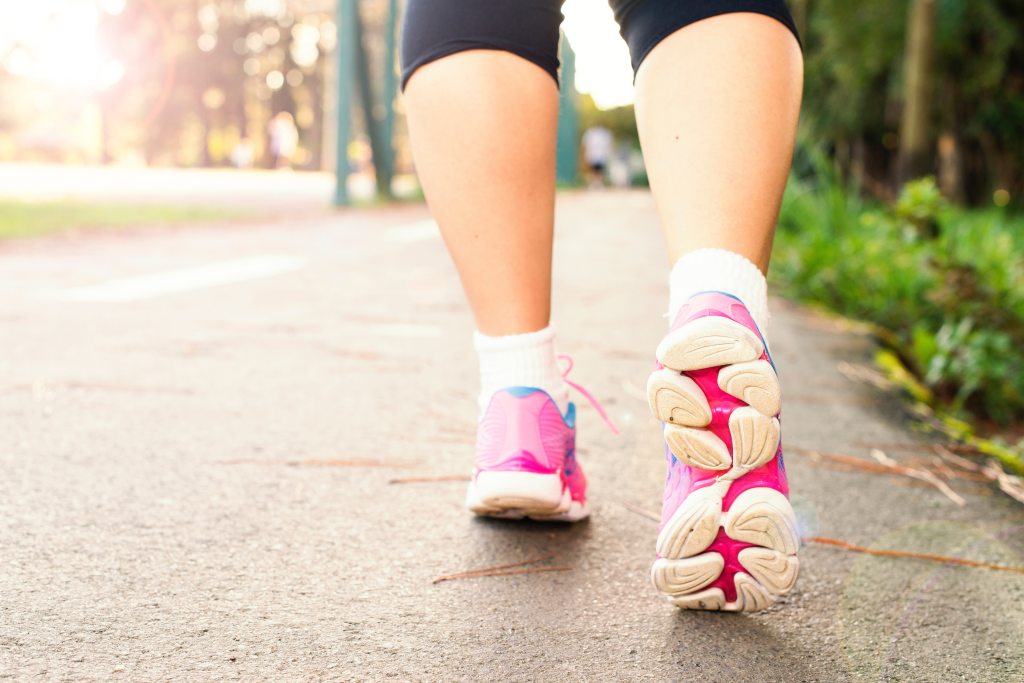
Since the lack of exercise is the most common cause of bad circulation, it is logical that the opposite is the best prevention: lots of good, honest exercise. Your circulation will be consistent if your pulse stays quick and steady throughout the day.

10 Tips for a Healthy Mom-To-Be

“Since 1990, pregnancy rates for married and unmarried women have fallen by about 10 percent each. In the United States, birth rates for women continued to decline throughout 2009, hitting the lowest level over 12 years.”

A woman’s health is vital to her baby’s good health. People who eat well and frequently workout along with good prenatal care are less likely to experience problems during pregnancy. Often they are also more likely to deliver a healthy baby safely.

Below are the 10 tips that might be helpful for a healthy pregnancy:

 1. Study as much as you can about the wonderful ways your body changes, and how your baby grows. Chat about conception, labor, and birth with your mother, friends and other women in the family. Go to an early pregnancy workshop to study the birth of a child, read books and watch videos online on normal pregnancy and childbirth.

2. Decide if you want to give birth in a hospital, a birth center or at home. Choose a health care provider who can support you at your chosen venue who will help you to build trust and confidence while pregnancy and childbirth.

3. Follow a well-balanced diet with US guidelines of Agriculture section in mind. Keep your plate colorful — eat plenty of fruits and vegetables daily. Eat seafood for your baby’s brain growth and development every three days a week. Drink six to ten glasses of water and choose (real) fruit juices and skim milk instead of sodas.

4. Stop using things, such as tobacco, alcohol and street drugs, that may be harmful to you and your infant. Do not take any medications, including over-the-counter drugs, before you consult your health care provider about these.

5. Keep going! Start exercising programs that you doing before you were pregnant as per the health care provider’s advice. If you were not into exercises before you became pregnant, consider walking, swimming, prenatal activity or dance classes. Daily, moderate exercise allows labor faster and less stressful, which reduces the risk of an operation via cesareans.

6. Gobble up plenty of rest. Listen to your body and decide whether you need short breaks during the day, and evaluate how many hours of night sleep you need.

7. Have small conversations with your child and cherish the moments of the bond. Evidence now indicates that as early as 10 weeks pregnant, babies respond to the sense of touch. Your baby can respond to light, your talk, music, and other sounds a little later.

8. Handle the stress that you are facing in your life. Keep open contact with your partner. Build the support system. Master yoga, and then practice it. Take a lesson about prenatal meditation.

9. Have a proper plan for giving birth to your kid. Study as much as you can about what childbirth is like to happen at your chosen location.

10. Spend this special time in your life! Your friends and family can help you make the most of this great transition. Have faith in the abilities of your body to develop, nourish and give birth to this infant, just as women have done for centuries.

Foods That Can Keep Your Heart Healthy

Quote:

“A 2013 study in the journal Heart tracked the cardiovascular health of about 3,000 men for 16 years and found that a high resting heart rate was linked with lower physical fitness and higher blood pressure, body weight, and levels of circulating blood fats.”

What else is a better way to celebrate the rest of your life than ensuring your heart is healthy and strong? So this is now a perfect time to concentrate on every aspect of your heart. And fortunately, things that are healthy for your heart do appear to be healthy for your brain. It is about getting the heart pump correctly and ensuring that blood flows freely.

Here are five food items that you must be consuming to maintain your heart health.

1. Fats –

Polyunsaturated and monounsaturated fats, often known as “good fats,” such as avocados, almonds, olive oil, and salmon, are better options for your heart than saturated and trans-fats (the “negative” guys) typically found in refined and processed foods. Even as the bad ones will add to your risk of heart disease, the healthy fats will significantly decrease the amount of LDL cholesterol that blocks the artery, which drastically reduces the threat.

2. Eat Green –

Eating spinach not only makes you healthy like Popeye (for those of you who recall the animated sailor), but it is also filled with magnesium, iron, and folate (like broccoli, kale, and sprouts from Brussels). Not to forget that it is also packed with vitamins and fiber, adding it in the salad or mixing it with your favorite main dish will reduce inflammation in your blood vessels.

3. Fruits rich in Potassium –

Bananas, oranges mangoes, and apricots do more than make a great, tropical fruit salad, they can help to reduce your blood pressure, which reduces the risk of heart attack and other heart diseases.

4. Chocolate and Wine –

All the various red wine and chocolate produce an antioxidant called resveratrol that can lower amounts of LDL cholesterol and eliminate clots in the blood. While some doubt the high amount of resveratrol that might be required to actually deliver benefits for people, it can strengthen the heart when you treat yourself to a little red wine and chocolate. The trick is to enjoy both sweets in controlled doses — too much of either will have adverse health effects.

5. Add some spice –

Savory spices such as turmeric, ginger, and cinnamon add flavor to a variety of dishes — and helps to reduce the risks of heart diseases and the ability to add salt, which is a big cause of high-level blood pressure. The spicy sort of flavor that comes from jalapeños and cayenne peppers includes capsaicin, a material that enhances digestion and heart health.

Changes in lifestyle to help manage COPD

“Research shows that exercise training can improve exercise tolerance and improve quality of life among people with mild to moderate COPD. It can also help provide relief from shortness of breath.”

Consider these healthy choices that can consider managing your COPD easier. Living with chronic pulmonary obstructive disease (COPD) does not mean that you have to stop living your life. Here are some changes in lifestyle that you can make to help manage the disease:

1. Stop Smoking

Smoking is the number one cause of emphysema and chronic bronchitis. Both conditions are made up of COPD combined. Trelegy Ellipta is used in adults with COPD (chronic obstructive pulmonary disease) to improve symptoms and avoid bronchospasm, including bronchitis and emphysema. If you haven’t stopped, taking steps to stop smoking is very important. Talk about cessation strategies for smoking with your doctor. When nicotine withdrawal is a problem, nicotine replacement therapy may be recommended by your doctor to help you slowly get rid of this addictive drug. Gum, inhalers, and patches are included in the item. Prescription drugs are also used to promote the avoidance of smoking.

2. Defend Against Infections

Persons with COPD have a particular risk of respiratory infections that can cause flare-ups. Through proper hand-washing techniques, illnesses that damage the airways can often be avoided. For example, cold viruses are often transmitted by contact. Cold viruses can be transmitted by touching a door handle and then rubbing your eyes.

When out in public, it is important to wash your hands frequently. There is no need for antibacterial products unless you are in a healthcare setting. Easy soap and running water are working well to eliminate potentially contagious germs.

Additionally, avoiding contact with people who show signs of cold or flu may be beneficial. The annual flu vaccine may also be prescribed by your physician.

Learn more: Brand medications to treat COPD

3. Focus on Good Nutrition

Eating right is an effective way to maintain a strong body and immune system. People with advanced COPD often don’t get the right food to stay healthy. Eating smaller meals can be beneficial, more often.

Sometimes, your doctor can prescribe nutritional supplements to make sure you get the nutrients you need. Consider eating a diet that is abundant in berries, vegetables, fish, nuts, butter, and whole grains. Red meat, sugar, and processed foods should be cut back. Following the dietary pattern, known as the Mediterranean diet, it has been shown that it helps to reduce chronic inflammation while providing plenty of protein, antioxidants, and other nutrients to help keep you healthy.

Learn more: Other medications to treat COPD

4. Be Prepared for Emergencies

Get to know the signs of a flare-up. When breathing is hard, familiarize yourself with the nearest place you can go to seek treatment. Keep the phone number of your doctor handy and do not hesitate to call if your symptoms are getting worse. When you have some new or unusual symptoms, such as fever, alert your physician or health care provider as well. Keep a list of friends or family members to call if you need to be rushed to a medical facility. Keep on hand directions to the office of your physician, or the nearest hospital. You should also keep a list of all medicines that you are taking and give them to any health care provider that may need to administer emergency assistance.

Learn more: Prescription medications for treating COPD

5. Tend to Your Emotional Needs

Individuals with impaired conditions like COPD often lead to anxiety, stress, and depression. Make sure to talk to your doctor or health care provider about any emotional issues. Medications may be recommended to help you cope with anxiety or depression. Other approaches may also be recommended to help you cope. This may include meditation, special methods for relaxation, and joining a support group. Be forthcoming about your state of mind and thoughts to friends and family. Let them help in whatever way they can.

NOTE: This sheet is a summary. It may not cover all possible information. If you have questions about this medicine, talk to your doctor, pharmacist, or health care provider.

DISCLAIMER: This content is provided for informational purposes only. The content is not intended to be a substitute for professional medical advice, diagnosis, or treatment. Patients should always consult their physician with any questions regarding a medical condition and to obtain medical advice and treatment.

Recognition of the stages of Parkinson’s Disease Progression

“The symptoms of Parkinson may become more severe over a 20-year or longer period. The level of intensification of the symptoms varies from person to person. The primary symptoms of Parkinson’s disease — tremors, stiff muscles, slow movement (bradykinesia), and balance of difficulty — may at first be mild but gradually become more intense and weakening.”

Most physicians use a rating scale called Parkinson’s Disease’s Hoehn and Yahr Staging to figure out how far the disease has progressed. The disease of Parkinson is progressive: it gets worse over time.

Stage one: Mild symptoms only affect one side of the body.

Stage two: Symptoms affect all sides of the body, including shifts in posture and gait.

Stage three: The motion of the body is slow and the balance is impaired

Stage four: Symptoms are serious and impaired, muscles are rigid, the person is not able to live alone and walking becomes limited.

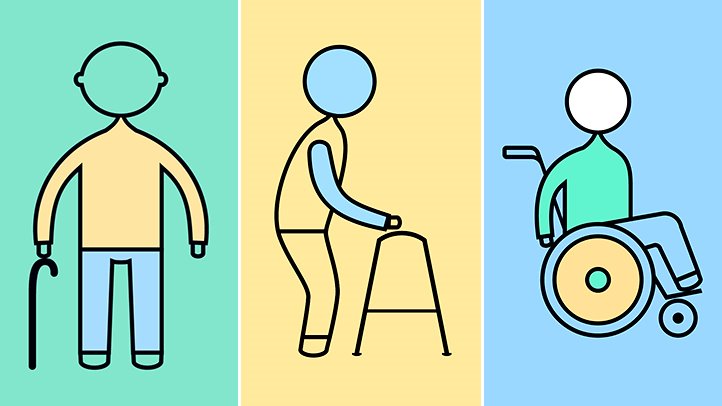
Stage five: The patient needs constant care in wheelchair-bound and bedridden.

Although your doctor may be able to tell you how far you or a loved one are on this scale, it is unknown how quickly you will hit the next level. You should assume that your physical activity will also begin to decline when you feel your symptoms worsen.

Learn more: Brand medications to treat Parkinson’s Disease

Parkinson’s Dementia Signs

For Parkinson’s disease, up to one-third of people develop dementia. Dementia issues may include memory problems, attention span, and what is called the executive function — the decision-making process, coordination, time management, and prioritization process.

How does treatment benefit?

Medical treatment to help restore the necessary dopamine neurotransmitter or home remedies such as exercise can help ease the symptoms. Tracking your medication progress helps determine if your condition is advanced. The treatment stages for Parkinson typically proceed in the following order:

No medicine needed: Signs of Parkinson’s disease may be very mild in its early stages and may not require treatment.

Good drug response: As symptoms begin to affect the working, the Parkinson’s medication Sinemet (a combination of carbidopa and levodopa) can help. In many patients, it can reduce symptoms significantly and effectively for 5 to 10 years, and in about 25 percent of patients longer. But it comes with side effects such as tics and repetitive (called dyskinesias) movements.

Waning medication response: You will need to increase the amount you are taking or add another to boost the carbidopa-levodopa combo when the efficacy of the medication begins to wear off. Examples include MAO-inhibitors such as selegiline and rasagiline, and entacapone and tolcapone COMT-inhibitors; these are long-lasting aids.

Learn more: Other medications that help in Parkinson’s disease

Unpredictable medication response: Instead of appearing at consistent intervals, signs of breakthrough may begin to appear at random and may be induced by stress and anxiety. Medicines are going to be constantly tracked at this level.

Dyskinesias: These involuntary movements happen after the peak performance of your medication dose. Adjusting your medication dose — and perhaps surgery — may help.

Severely unpredictable symptoms: In the most advanced stages, extreme symptom flare-ups coincide with serious dyskinesias, following changes to the drug. An operation is a therapeutic option at this point. This surgery, called deep brain stimulation, implants electrodes in the brain that are attached to an external device, somewhat like a heart pacemaker, to help control electrical impulses which influence movement and flexibility.

Learn more: Other treatment options for Parkinson’s disease

Although the disease of Parkinson is a debilitating, worsening disorder, it is not treated as a fatal disease. People with the disease of Parkinson typically have the same average life expectancy as those without the disorder.

But Parkinson’s symptoms can lead to life-threatening complications when the disease is in its advanced stages, including:

  • Falls that lead to fractured bones
  • Pneumonia
  • Choking

It can be scary to think about the progression of Parkinson’s disease. But proper treatments can help you through the years to come to live a full, productive life. And researchers hope to find ways one day to stop Parkinson’s progress and restore lost function.

NOTE: This sheet is a summary. It may not cover all possible information. If you have questions about this medicine, talk to your doctor, pharmacist, or health care provider.

DISCLAIMER: This content is provided for informational purposes only. The content is not intended to be a substitute for professional medical advice, diagnosis, or treatment. Patients should always consult their physicians with any questions regarding a medical condition and to obtain medical advice and treatment.

10 Quick Simple Workouts to Get Rid of Back Fat

“A caloric deficit doesn’t have to be dramatic to have an effect on your weight. It takes 3,500 calories to equal a pound, according to the Mayo Clinic.”

Obstinate fat clings at some parts of the body and sustains strong resistance despite we put our best efforts to lose weight. When it is about the upper body, the infamous bra bulge is a result of the extra fat around the back and shoulders.

So, what should a girl (or guy) do to get a good shape back? Let us get one thing clear first: spot reduction is a misconception that everyone believes. Alternatively, focus on reducing overall body fat and perform workouts to shape the back muscles.

Adopt these 10 successful workouts along with a healthy diet and in no time you will get rid of that stubborn fat in the back!

1. Back-Intensive Cardio Workout –

Cardio removes excess calories, helps in losing weight, and even enhances cardiovascular health. Back-intensive workouts like rowing, wrestling, or swimming show an amazing result — even if you do them only twice a week!

2. Pull-ups –

Bring a pull-up bar into your home and you will be on the way to a beautiful back and a lot of functional energy before you know it.

Start with negative pull-ups as follows:

  • Begin at the top of the action with your palms facing outwards.
  • Little by little lower yourself in a controlled movement.
  • Restore the flow to the top and then repeat 5-10 times.

So go on to complete lift-ups if your strength allows:

  • Begin from the movement’s edge.
  • Lift up your back, your shoulders, and your arms.
  • Limit yourself in a controlled way and then repeat 5-10 times.

3. TYIs –

TYIs are outstanding for optimizing flexibility overall when supporting the back and core.

TYIs are to be done by lying face down on a bench or board.

  • Engage the muscles behind your back and raise your chest.
  • Move the arms to shape a “T”
  • Little by little push them into a “Y”
  • Shift them gradually into an “I”
  • Continue it 5-12 times.

If this exercise is getting too fast, get a few light dumbbells and try again!

4. Push-ups –

Push-ups do an excellent job of strengthening your chest and showing your new polished back!

Begin with modified knee push-ups:

  • Drop your shoulders to the ground gradually, emphasis on activating your back muscles.
  • Push back towards the top.
  • Repeat it 10–20 times.

If you can perform 20 reps in good shape, turn to regular push-ups with straight legs.

5. Bridges –

Bridges should develop a well-shaped butt and at the same time work on the muscles that support the bottom.

  • Start by lying down on the back.
  • Put your legs back to an angle of 90 degrees.
  •  Lift your bottom up until your back is in a straight line, with your feet flat on the concrete.
  • Hold that position for 10-15 seconds, and then lower yourself gradually to the floor.
  • Perform the movement 10-20 times before a set is finished.

6. Straight Arm Planks –

Planks are a great core strengthening workout. Use them to make a 6-pack to go with the toned version of your back.

  • Start off straight towards the floor with your arms.
  • Get your body raised and keep as straight as possible.
  • Hold this position for 15-60 seconds then rest.
  • Finally, keep doing this static hold 3 times.

7. Dumbbell Rows –

Take hold of a dumbbell and continue doing this back-tone exercise!

  • Position one of the knees on a bench or similar object and place the dumbbell in the opposite hand.
  • Bring the dumbbell to your armpit in a simple rowing motion, keeping the back as level as possible.
  • Push the weight back down slowly but don’t lock the arm out completely.
  • After finishing an 8-12 sequence, turn to the other arm and knee and repeat.

8. Jump Rope –

Jump ropes are an old school favorite workout for the people who practice boxing, for a good reason. It is a perfect way to work your back and shoulders to develop a strong, powerful physique!

Get out 2-3 days a week for a 15-minute rope jump workout. You are going through a little fat for every drop of sweat!

9. Resistance Band Rowing –

Bands of resistance form an incredibly flexible exercise device. You use one in an easy rowing motion to basically exercise the back and shoulders! Rowing sessions should range for a duration of 10-20 minutes. The back will be slimmer and stiffer quickly.

10. Wall-Assisted Handstands –

Handstands are a strong exercise for the hands, the back, and the core. Using a wall to assist reduces the factor of balancing, enabling you to focus on getting your back and shoulders fully engaged.

  • Begin by “rolling in” to a suitable wall and walking your feet upwards.
  • Make sure you lift the floor off with your hands to protect your head and neck.
  • Keep this comfortable position as long as possible before moving off the wall to lower.
  • Press your hands and arms to raise and drop yourself slowly, as your power helps.

Combine these workouts with a balanced diet to reduce calories. Or put it another way, monitor the food intake so that you actually burn more calories than you consume. Diet plays a significant part in both lean back and better appearance.

7 foods that helps reduce symptoms of Gastroesophageal Reflux Disease (GERD)

 “The food you eat has an impact on the quantity of acid produced by your stomach. Eating the correct types of food is essential to regulating acid reflux or GERD, a serious, chronic form of acid reflux.

Symptoms of reflux may lead from touching the esophagus with stomach acid and causing irritation and pain. If you have too much acid, these particular foods can be incorporated into your diet to handle acid reflux symptoms. It is recommended to consume Dexilant as it is used to treat heartburn caused due to Gastroesophageal Reflux Disease (GERD).

Here is the list of 7 foods that can be incorporated to reduce the Gastroesophageal Reflux Disease Symptom in your body.

1. Vegetables

Naturally, vegetables are low in fat and sugar and assist in decreasing acid in the stomach. Green beans, broccoli, asparagus, cauliflower, leafy greens, potatoes, and cucumbers are good choices.

2. Ginger

Ginger has natural anti-inflammatory characteristics, and heartburn and other gastrointestinal issues are natural therapy. To alleviate symptoms, you can add grated or sliced root ginger to recipes or smoothies or drink ginger tea.

3. Oatmeal

Oatmeal has become a favorite breakfast, a whole grain, and an excellent fiber source. Oatmeal can absorb stomach acid and decrease reflux symptoms. Other alternatives for fiber include whole-grain bread and whole-grain rice.

4. Noncitrus fruits

Noncitrus fruits are less prone to cause reflux symptoms than acidic fruits, including melons, bananas, apples, and pears.

5. Lean meats and seafood

Lean meats like chicken, turkey, fish, and seafood are low-fat and have low acid reflux symptoms. Try to grill, broil, boil, or poach and later eat them.

6. Egg whites

Egg whites are a great choice. However, stay away from egg yolks that are high in fat and may cause symptoms of reflux.

7. Healthy fats

Avocados, walnuts, flaxseed, olive oil, sesame oil, and sunflower oil are sources of healthy fats. Reduce and replace your consumption of saturated fats and Trans fats with these healthier unsaturated fats.

NOTE: This sheet is a summary. It may not cover all possible information. If you have questions about this medicine, talk to your doctor, pharmacist, or health care provider.

DISCLAIMER: This content is provided for informational purposes only. The content is not intended to be a substitute for professional medical advice, diagnosis, or treatment. Patients should always consult their physician with any questions regarding a medical condition and to obtain medical advice and treatment.

5 Tips to Help Your Kid in Sports

“If you are a sports parent, remember one golden rule: consistency is critical. Be consistent in your behaviors and words. Inconsistency creates confusion.”

Attempting to draw from parental research on sports psychology, here are five ways you should help your children in sport. Such techniques occur throughout childhood and adolescence but are particularly important for children aged between 10 and 15 years.

1. Support your child emotionally:

 It applies to give love unconditionally. During difficult or unpleasant periods this is especially significant. For your children in the sport, you are the number one pillar of emotional support. They need to have someone to talk to. Emotional support should be limitless and not contingent on how well you believe your kid will succeed or play.

2. Emphasize the initiative of performance and moral development:

When you focus too much on winning and losing the game (these are results), your kids can feel disappointment and even a decreased desire to be interested in the sport. Focusing on the effort and personal improvement of your child is a better idea. It is really important to help your kids understand that you respect them trying hard above everything else, also to encourage them when they are getting better, particularly when they are young and still learning how to compete.

3. Encourage self-support:

It is great to be involved in the sport of the kid, but the evidence suggests that a high level of participation must be at equilibrium by granting control and freedom to children. You should set the limits but those limitations allow your children to have some flexibility and independence. For example, a restriction may tell your child, “You must always be prepared for trials,” and the liberty might be, “You are responsible for ensuring that you have got your equipment and water.” Once your kids show they can be personally responsible, you should play with allowing them more flexibility.

4. Try communicating and sharing the objectives:

What makes your child play sport? Which long-term goals do they have from the sport? Did you ask these questions? If not, you should because good sports parents connect with their kids and help and support them to reach their objectives of sport. Few kids may want to compete and get to high athletic standards. Some may just want to experience the joy of engaging without striving to achieve a high level. Instead of trying to impose your own expectations, you can embrace the targets your kids have selected. So note that as the children advance through training, the objectives will alter. It is important to’ check-in’ with them as they mature and make sure you provide the help they need.

5. Act how kids want you to act before, during and after competitions:

Some studies were done, questioning the children before, during, and after the game about what they want from their parents.

Kids expect parents to help them relax and ensure they arrive on time before competitions.

Children want parents to support the entire team through events, retain attitude, stay positive and concentrate on action rather than the result.

Children like constructive and honest feedback after the game, so parents should be vigilant to interpret the attitude of the children when reviewing results.

Let the trainer look after the technical and tactical guidance based on the input of your child’s performance and attitude.

Healthy Remedies for overactive bladder

“Men and females are affected by an overactive bladder. Symptoms include feeling an overwhelming, uncontrollable urge to urinate, enhanced frequency, leakage of urine, and waking up several times at night to urinate.

Overactive bladder for many individuals is a frustrating disorder. It can also be awkward if it is hard to manage symptoms such as leaking urine. “

Fortunately, in reducing, preventing, and overactive bladder treatment, there are natural medicines that are efficient. Here are some of them.

1. Exercise

Many exercises are used to train the bladder and strengthen muscles to regulate urination. They can be done anywhere, and they don’t need hard equipment or preparation. Prescription medications like Myrbetriq for treatment of overactive bladder.

  • Set voiding: This is also known as scheduled voiding. This technique needs that the individual urinates throughout the day at certain moments. While he may not feel like exercising, he trains the muscles of the bladder to contract only when the bladder is complete.
  • Kegel exercise: While Kegel exercises are a common way to maintain powerful muscles during and after childbirth, they are not women’s exclusive. Men can also do these exercises. Tighten the muscles used to start, stop, hold, and release the flow of urination. Do this multiple times a day. It requires 4 to 6 weeks to see outcomes on average.
  • Cardio and weights: if you are overweight, a periodic cardio and strength training routine can be useful. Excess weight can place pressure on the bladder, which can make overactive bladder symptoms worse.

2. Foods to be avoided

Some foods are known to worsen the overactive bladder. Avoiding these foods can go a long way to overactive bladder management.

  • Caffeine
  • Tomato products
  • Artificial sweeteners
  • Alcohol
  • Spicy foods
  • Salty foods

Try to remove one week’s trigger food, and then slowly add it back to your diet one at the moment. If you notice a return of symptoms, reduce the quantity until symptoms are gone. This will help to determine if you can enjoy in moderation some of the renowned problem ingredients. Balancing the consumption of fluids is essential. Too much liquid will boost urination while too little fluid will also increase the frequency of urination.

3. Herbal treatment

It is known that some herbs treat overactive bladder. Treatment can be enhanced by using herbs in conjunction with practice and a nutritional diet. Including herbs in your therapy plan may also reduce the time it takes for improvement to be seen.

  • Gosha-jinki-gan

This is an herbal combination, common in traditional Asian medicine. It increases the ability of the bladder and improves urinary urgency, frequency, and urination at night.

  • Buchu (Barosma betulina)

This famous South African plant, feeds the tissue of the bladder and increases the health of the bladder.

  • Cleavers

This herb coats the wall of the bladder, which reduces irritation that can cause an overactive bladder.  

  • Cornsilk

Cornsilk is reported to have a relaxing impact on the urinary tract as one of the oldest known herbs to treat bladder issues.

  • Saw palmetto

This herb is of the best help to males. It decreases inflammation and helps to balance the concentrations of testosterone. Saw palmetto is particularly useful for males with an enlarged prostate as well.

NOTE: This sheet is a summary. It may not cover all possible information. If you have questions about this medicine, talk to your doctor, pharmacist, or health care provider.

DISCLAIMER: This content is provided for informational purposes only. The content is not intended to be a substitute for professional medical advice, diagnosis, or treatment. Patients should always consult their physician with any questions regarding a medical condition and to obtain medical advice & treatment.

Design a site like this with WordPress.com
Get started